01 Pick your destination
Solar Exploration
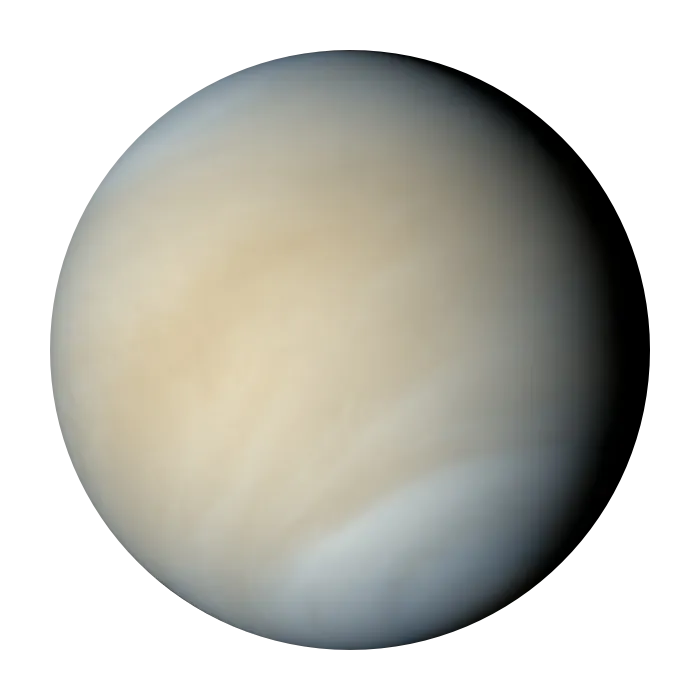
Venus
Earth's toxic, blistering twin
Avg. Distance
Year Length
Moons
Composition
Rocky, nearly identical in size and mass to Earth
Surface Gravity
8.87 m/s²
Mean Temperature
~464°C (surface)
Atmosphere
Thick — 96.5% carbon dioxide with sulfuric acid clouds
About Venus
Overview & Geology
Venus is often called Earth's twin because the two planets are almost the same size and made of similar rocky material — but the resemblance ends there. A runaway greenhouse effect has turned Venus into the hottest planet in the solar system, hotter even than Mercury despite being twice as far from the Sun. Its thick carbon dioxide atmosphere traps heat so effectively that surface temperatures reach around 464°C, hot enough to melt lead.
Venus also rotates backwards compared to most planets, and does so extremely slowly — a single day on Venus (243 Earth days) is longer than its year (225 Earth days). Combined with its retrograde spin, this means the Sun would appear to rise in the west and set in the east, if you could see it at all through the perpetual cloud cover.
The Venusian atmosphere is crushing — surface pressure is about 92 times that of Earth, equivalent to the pressure nearly a kilometer underwater. Dense clouds of sulfuric acid droplets blanket the planet and reflect sunlight so effectively that Venus is the brightest natural object in Earth's night sky after the Moon. Beneath those clouds lies a volcanic landscape of vast lava plains, thousands of volcanoes, and highland regions like Maxwell Montes, the tallest mountain on Venus, higher than Mount Everest.
Historical Missions
Exploration Milestones
Venus's crushing pressure and heat have made it one of the most punishing places to land a spacecraft — early Soviet probes were destroyed within hours of touchdown. Even so, it was the first planet any spacecraft ever landed on, and radar mapping missions later pierced its cloud cover to reveal a surface no telescope could ever see directly.
Venera 7
1970The first spacecraft to transmit data from the surface of another planet, surviving just 23 minutes in the crushing heat and pressure.
Magellan
1990Used radar to map 98% of the Venusian surface through its opaque clouds, revealing volcanoes, ridges and impact craters in detail.
Akatsuki
2015A JAXA orbiter currently studying Venus's atmospheric dynamics, including its super-rotating winds that circle the planet in just four Earth days.
NASA Gallery
Real Mission Photos
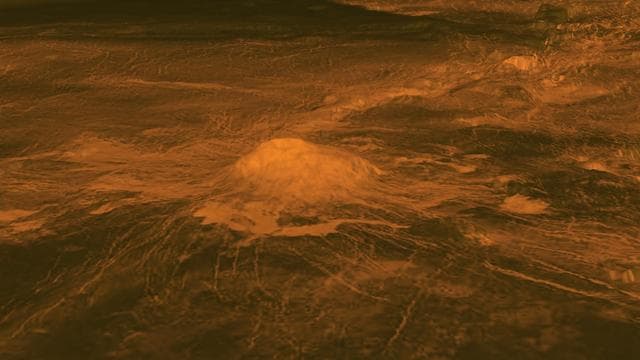
Surface Warmth on a Venus Volcano
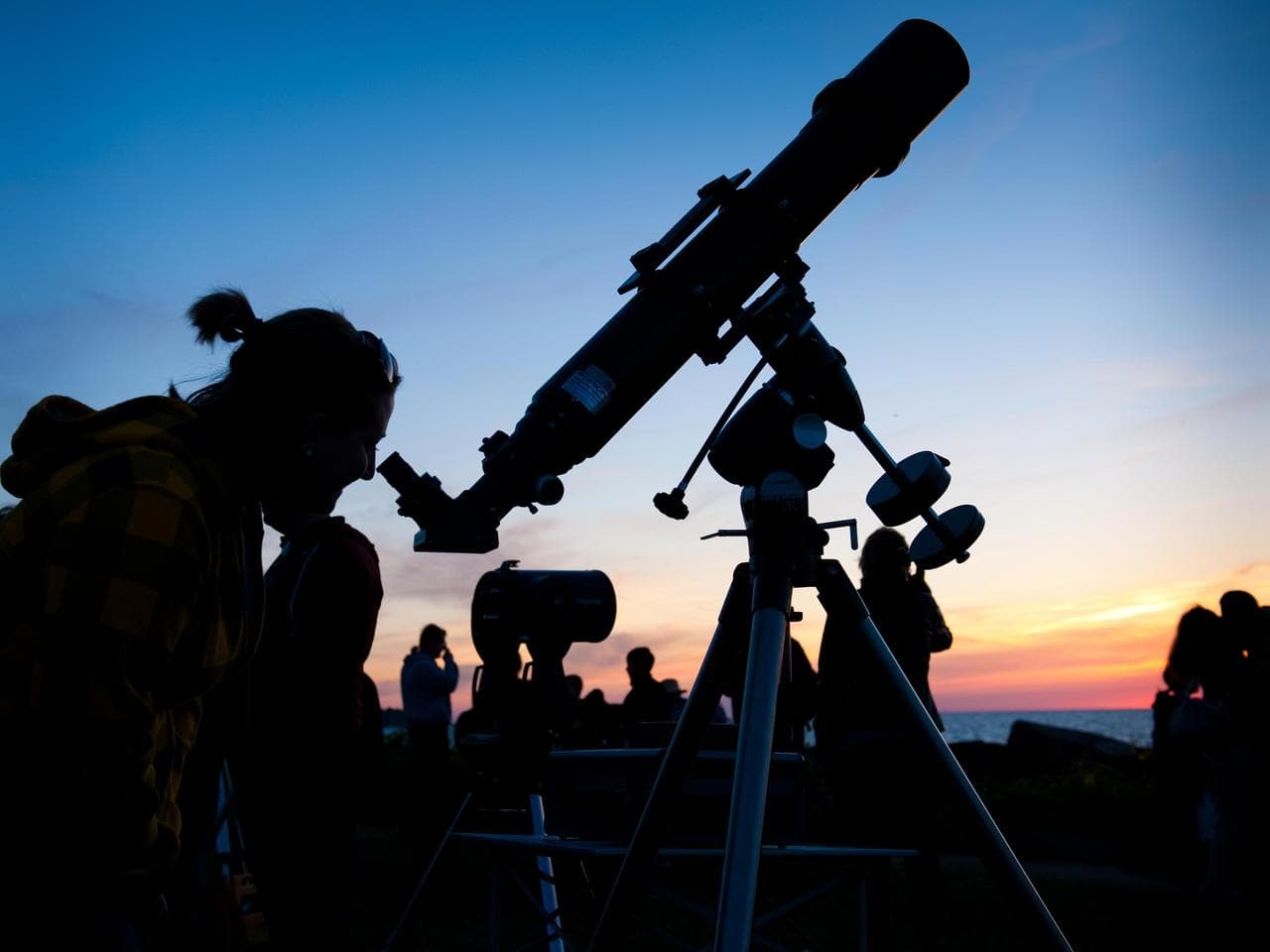
Venus Transit Event
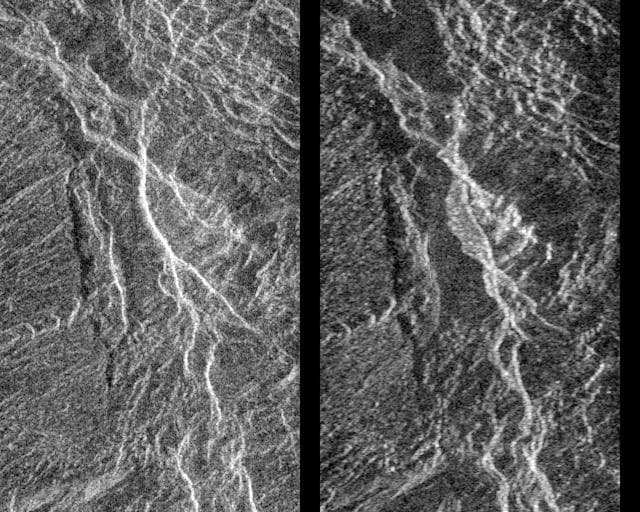
Venus - Aphrodite Terra
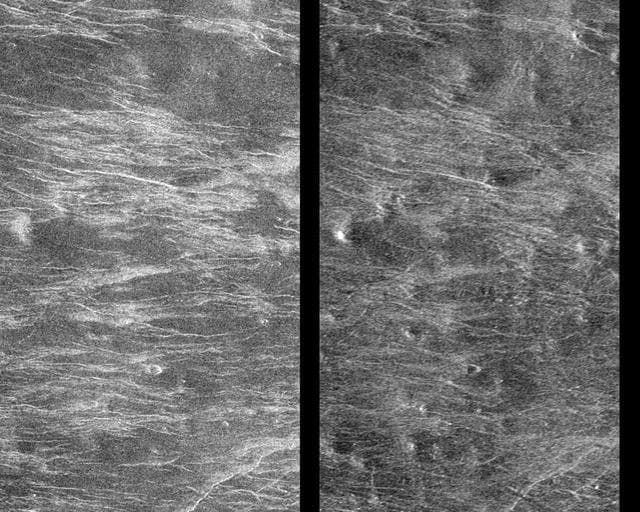
Venus - Stereoscopic Images of Volcanic Domes
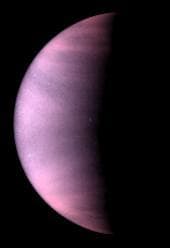
Venus Cloud Tops Viewed by Hubble

Approaching Venus
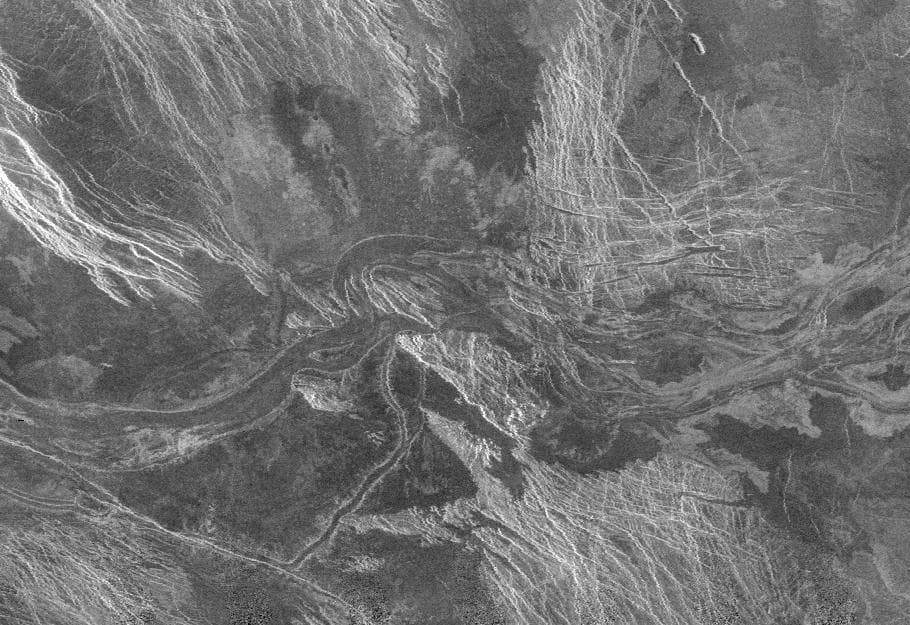
Venus - Lada Terra Region