01 Pick your destination
Solar Exploration
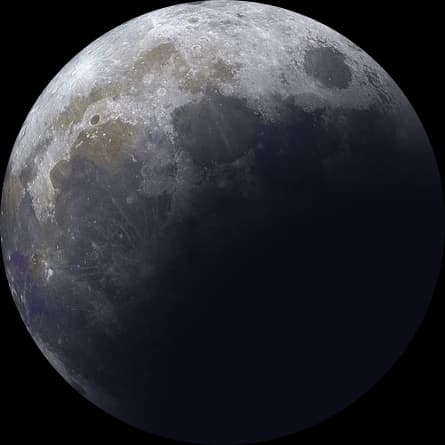
Moon
Earth's constant companion
Avg. Distance
Year Length
Moons
Composition
Rocky, with a small iron core, likely formed from a giant impact with early Earth
Surface Gravity
1.62 m/s²
Mean Temperature
-173°C to 127°C
Atmosphere
Essentially none — a trace exosphere too thin to breathe or retain heat
About Moon
Overview & Geology
The Moon is Earth's only natural satellite and the fifth-largest moon in the solar system, unusually large relative to its parent planet compared to most other moon-planet pairs. The leading theory for its origin is the giant-impact hypothesis: roughly 4.5 billion years ago, a Mars-sized body collided with the young Earth, and debris from that collision coalesced into the Moon.
The Moon is tidally locked to Earth, meaning the same face — the 'near side' — always points toward us, while the 'far side' remained completely unseen by human eyes until Soviet spacecraft photographed it in 1959. Its gravitational pull is also responsible for Earth's ocean tides and has gradually slowed Earth's rotation over billions of years, lengthening our day.
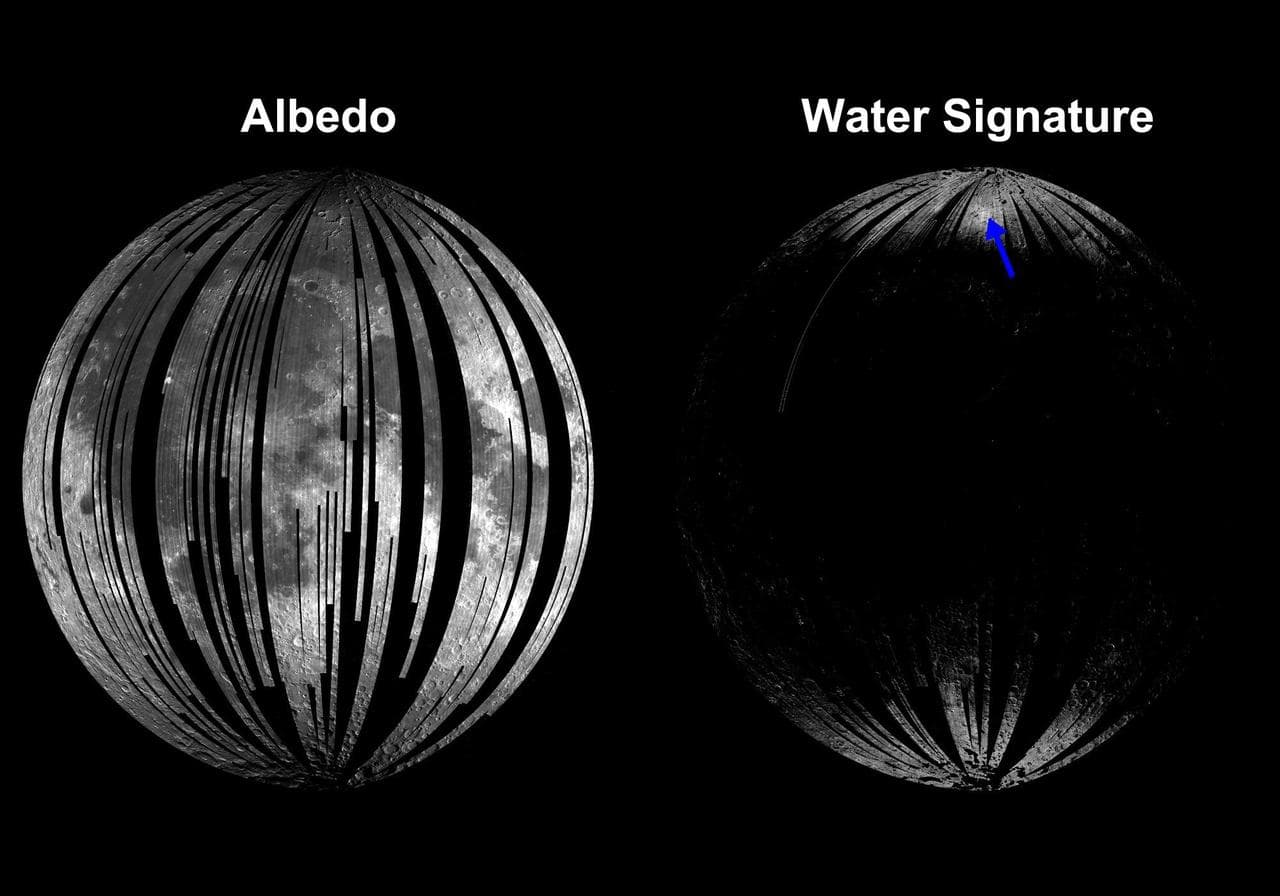
With no meaningful atmosphere to trap heat or block radiation, the Moon experiences brutal temperature swings between scorching lunar day and freezing lunar night. Its surface is dominated by two terrains: bright, heavily cratered highlands, and darker, smoother 'maria' — ancient basaltic lava plains that early astronomers mistook for seas. Permanently shadowed craters near the lunar poles are cold enough to trap water ice, a resource future missions hope to use for fuel and life support.
Historical Missions
Exploration Milestones
The Moon is the only body beyond Earth that humans have physically visited, and the target of the most intense period of space exploration in history during the 1960s and '70s. After decades of quieter robotic exploration, it's now the focus of a renewed international push to establish a longer-term human presence.
Apollo 11
1969The first crewed Moon landing, putting Neil Armstrong and Buzz Aldrin on the lunar surface for humanity's first steps on another world.
Artemis Program
2022NASA's ongoing effort to return astronauts to the Moon, beginning with the uncrewed Artemis I test flight and building toward a sustained lunar presence.
NASA Gallery
Real Mission Photos
Nearside of the Moon
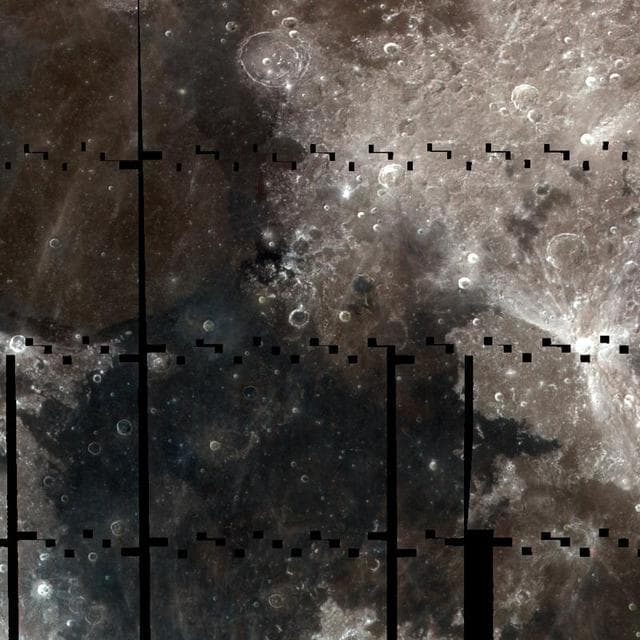
Color of the Moon
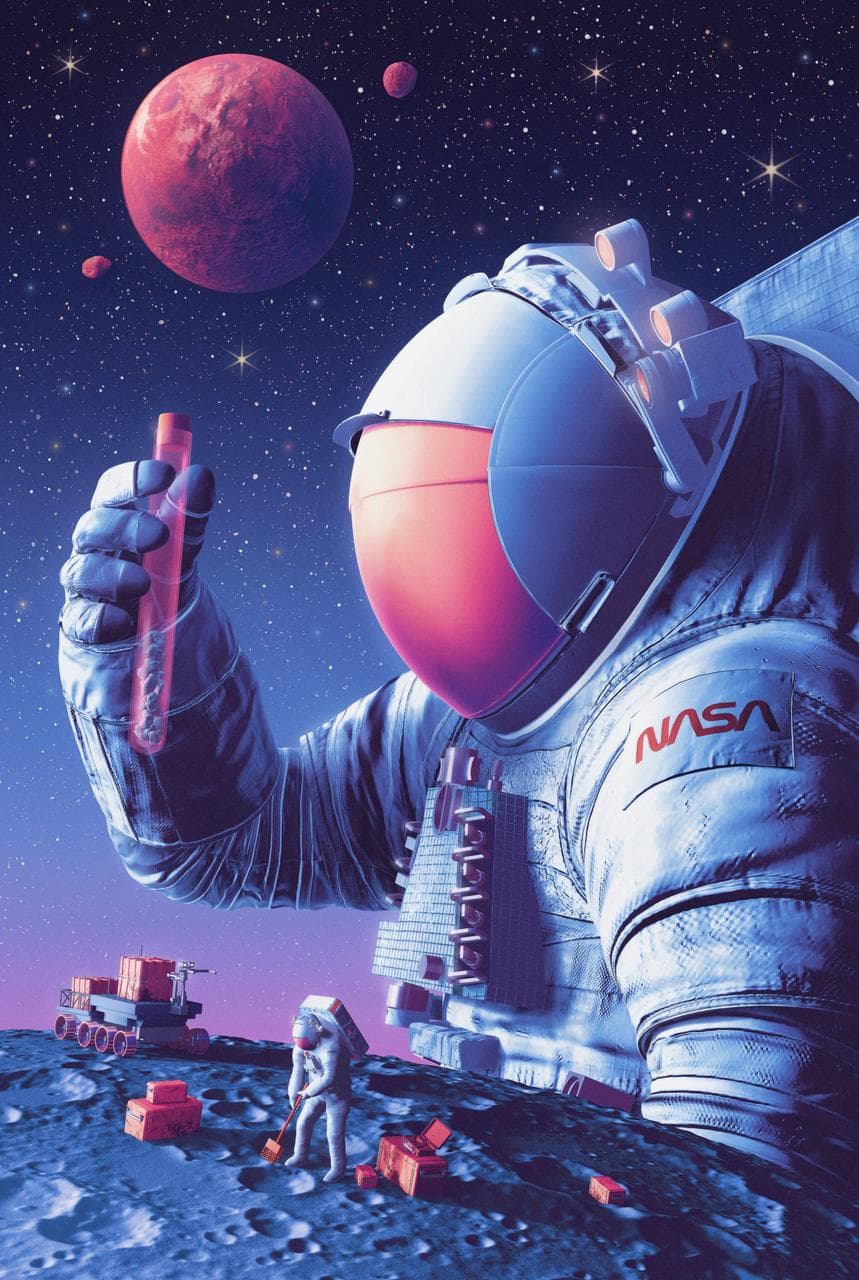
Moon to Mars Multidisciplinary Science
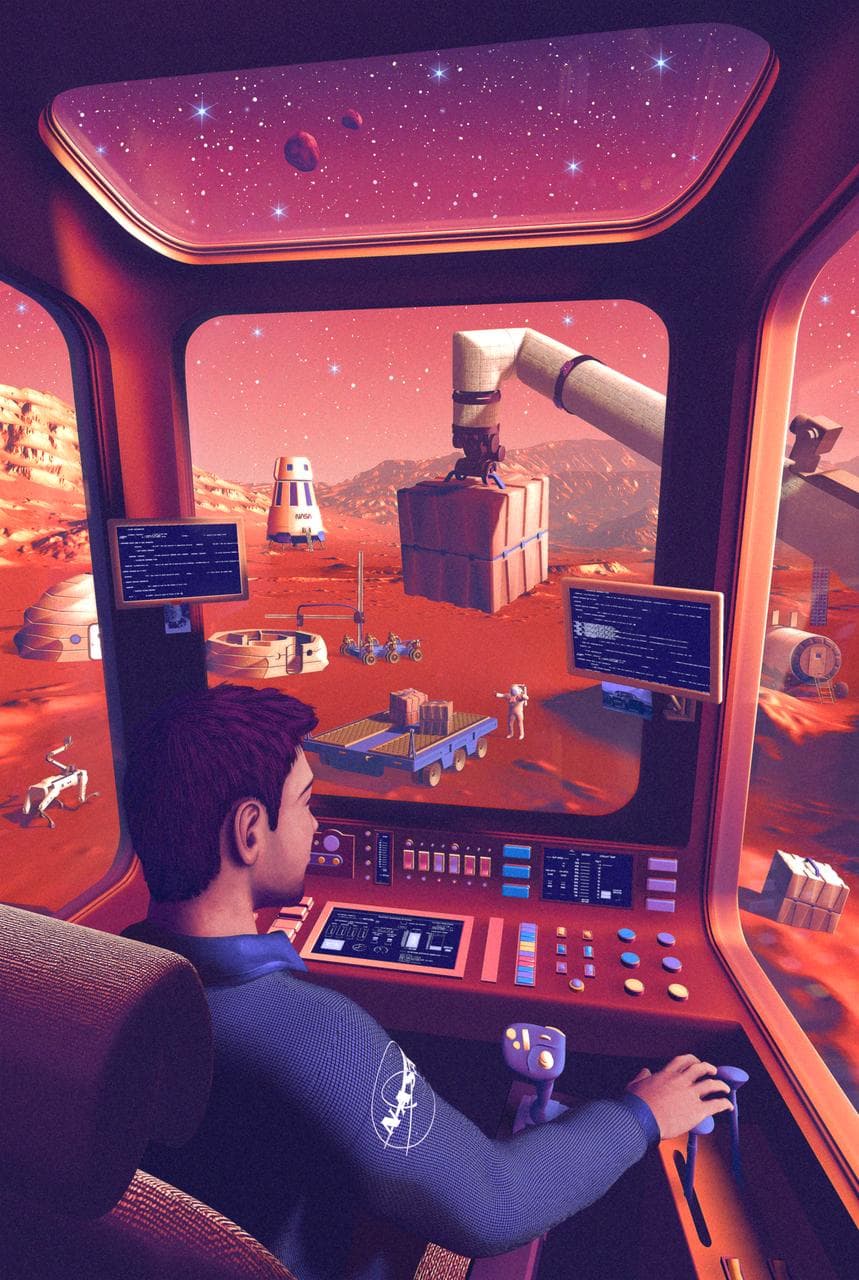
Moon to Mars Operations
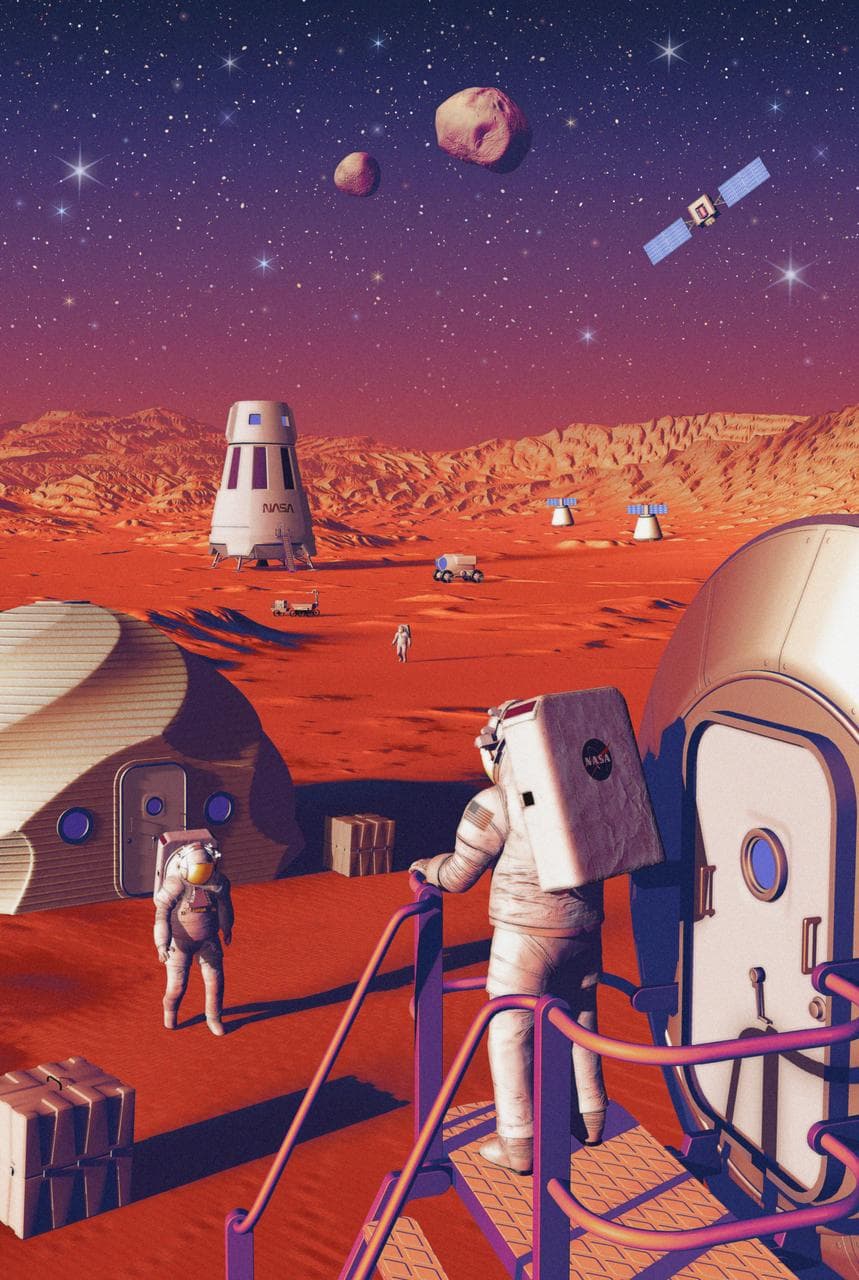
Moon to Mars Infrastructure
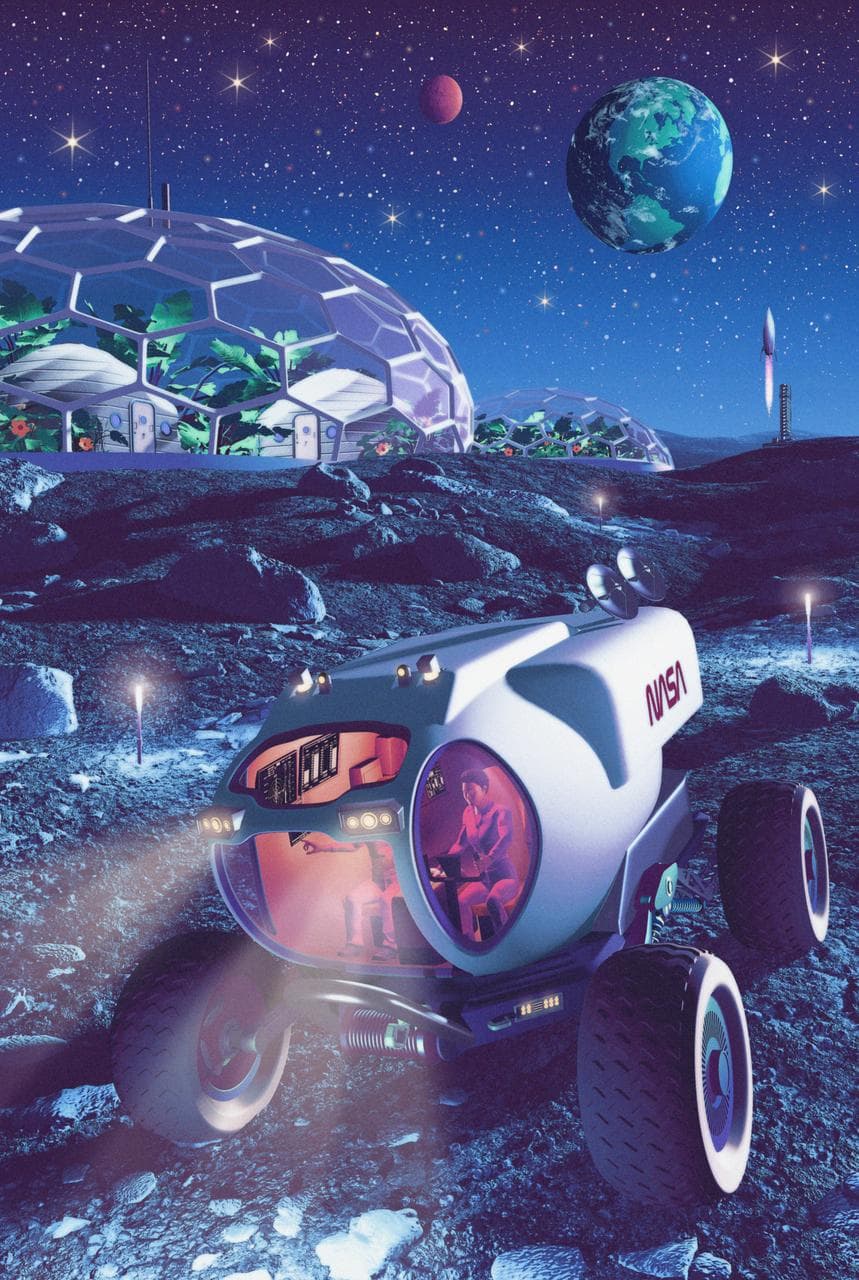
Moon to Mars Transportation and Habitation
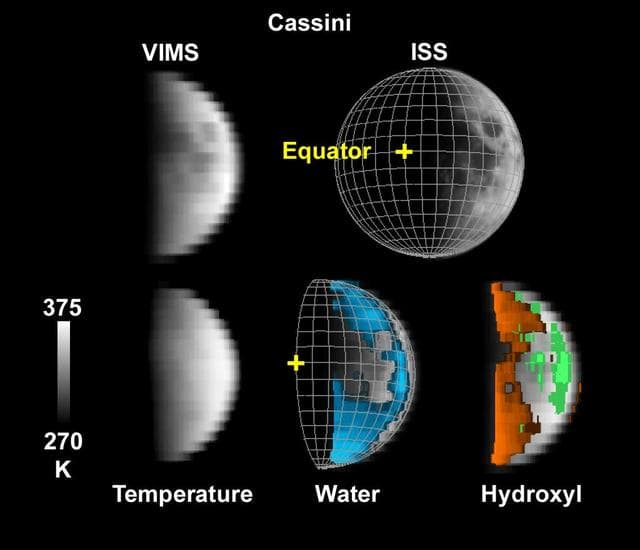
Cassini Look at Water on the Moon