01 Pick your destination
Solar Exploration
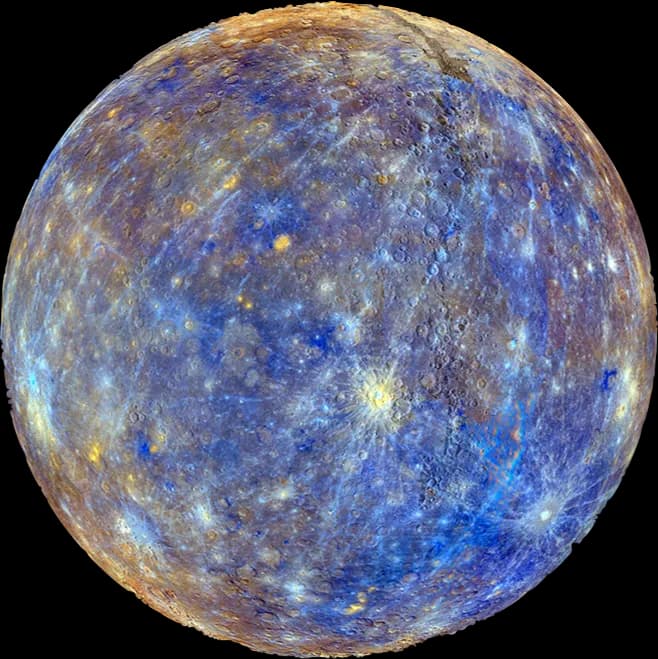
Mercury
The swift, scarred innermost world
Avg. Distance
Year Length
Moons
Composition
Rocky, with an oversized iron core making up roughly 55% of its volume
Surface Gravity
3.7 m/s²
Mean Temperature
-180°C to 430°C
Atmosphere
Almost none — a trace exosphere of oxygen, sodium and helium
About Mercury
Overview & Geology
Mercury is the closest planet to the Sun and the smallest in the solar system, barely larger than Earth's Moon. Named after the fleet-footed Roman messenger god, it earns the title honestly — it completes an orbit in just 88 Earth days, moving faster around the Sun than any other planet. Yet a single day on Mercury, from sunrise to sunrise, lasts roughly 176 Earth days, because its slow three-times-per-two-orbits rotation means the Sun crawls unusually slowly across its sky.
Its surface looks deceptively like the Moon's: a heavily cratered, grey landscape built up over billions of years of impacts with almost nothing to erode or resurface it. But Mercury has its own signature feature the Moon lacks — long, cliff-like ridges called 'rupes' that formed as the planet's iron core cooled and shrank, wrinkling the crust like a drying apple.
With virtually no atmosphere to hold in heat or block radiation, Mercury experiences the most extreme temperature swings of any planet: surface temperatures soar past 430°C in direct sunlight and plunge to -180°C at night or inside permanently shadowed polar craters. Remarkably, those shadowed craters near the poles are cold enough to harbor water ice, confirmed by radar and later by NASA's MESSENGER spacecraft — ice surviving within a stone's throw of the hottest place in the solar system.
Historical Missions
Exploration Milestones
Mercury's proximity to the Sun makes it one of the hardest planets to reach — spacecraft need a huge amount of fuel to slow down enough to be captured by its weak gravity rather than swinging past. Only three missions have ever visited: two American and one joint European-Japanese, spaced decades apart, which is why Mercury remains one of the least-explored rocky worlds close to home.
Mariner 10
1974The first spacecraft to visit Mercury, using a gravity assist off Venus to reach it and mapping about 45% of the surface across three flybys.
MESSENGER
2011The first spacecraft to orbit Mercury, spending four years mapping its entire surface and confirming water ice in shadowed polar craters.
BepiColombo
2025A joint ESA/JAXA mission that arrives in Mercury orbit to study its magnetic field, core structure and exosphere in unprecedented detail.
NASA Gallery
Real Mission Photos
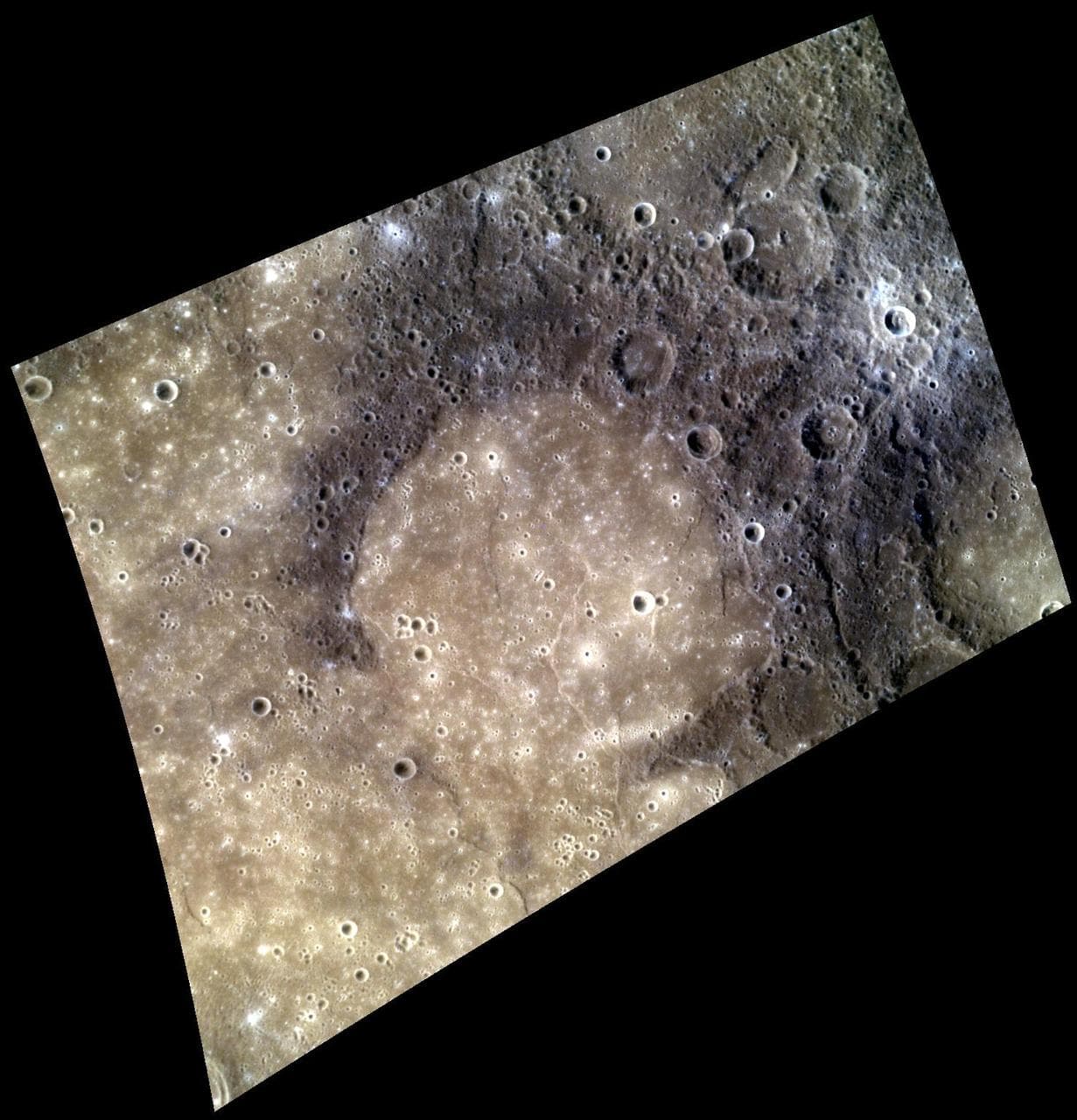
Mercury, Mercury!
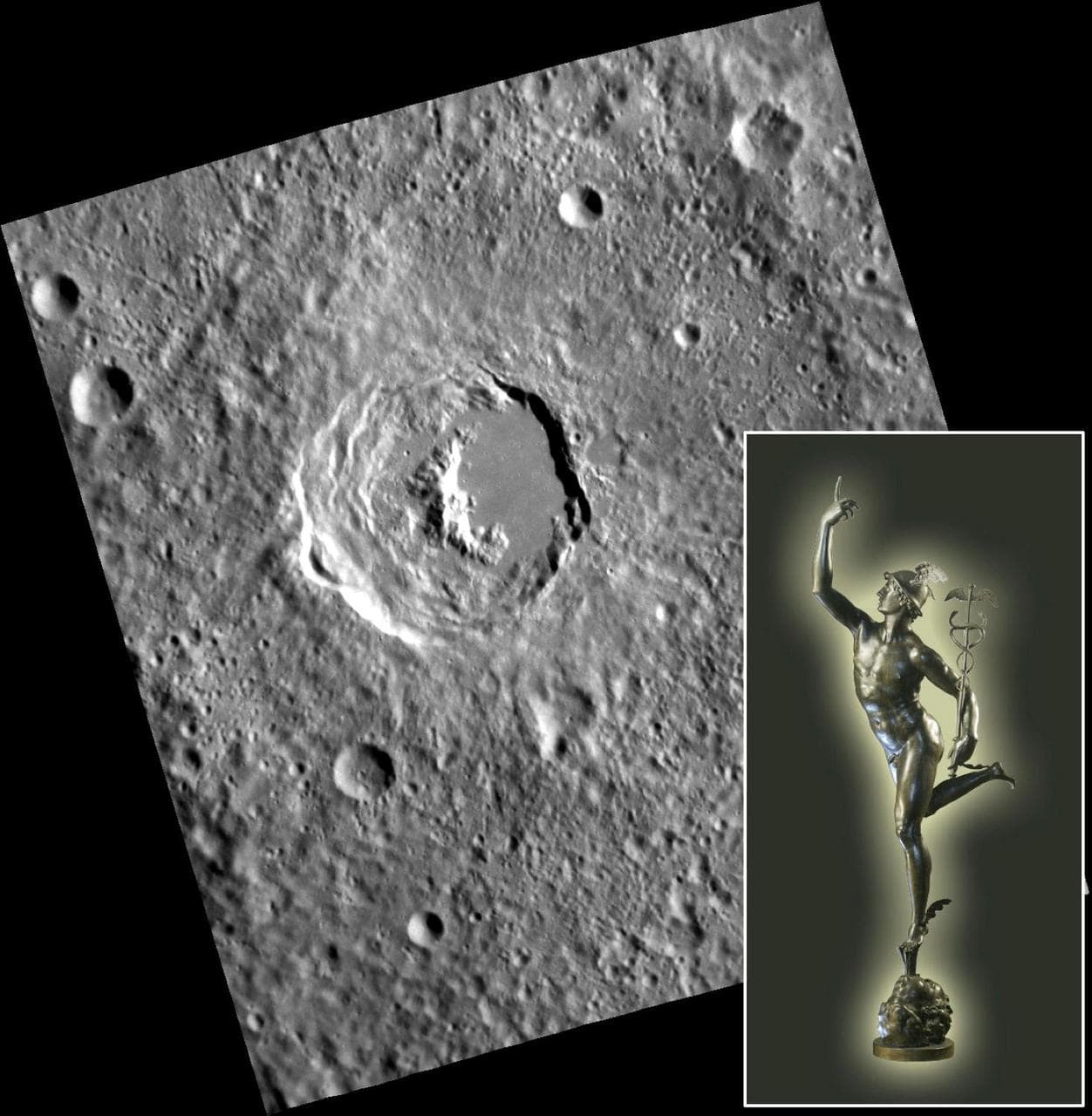
Mercury in Bronze
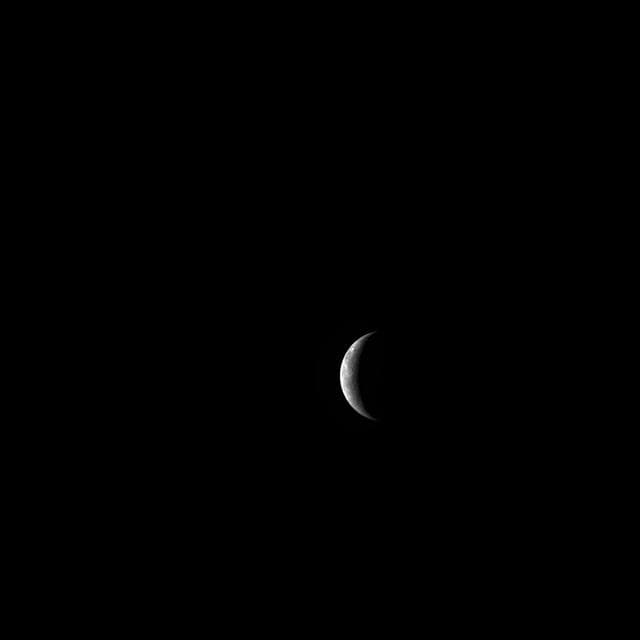
Hello, Mercury!
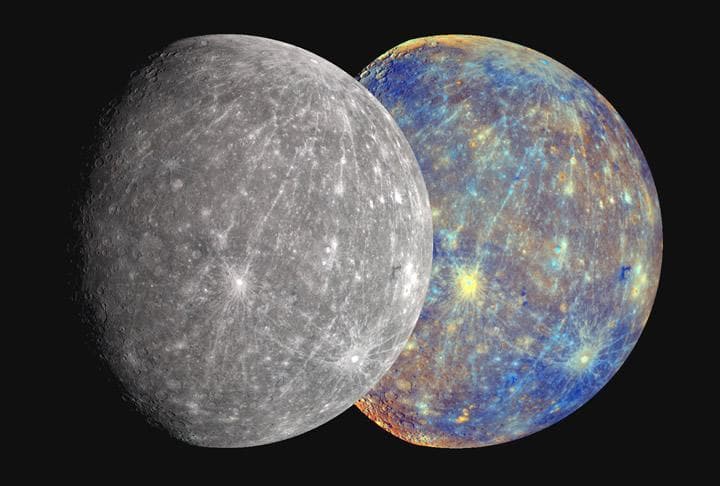
Mercury in Color!
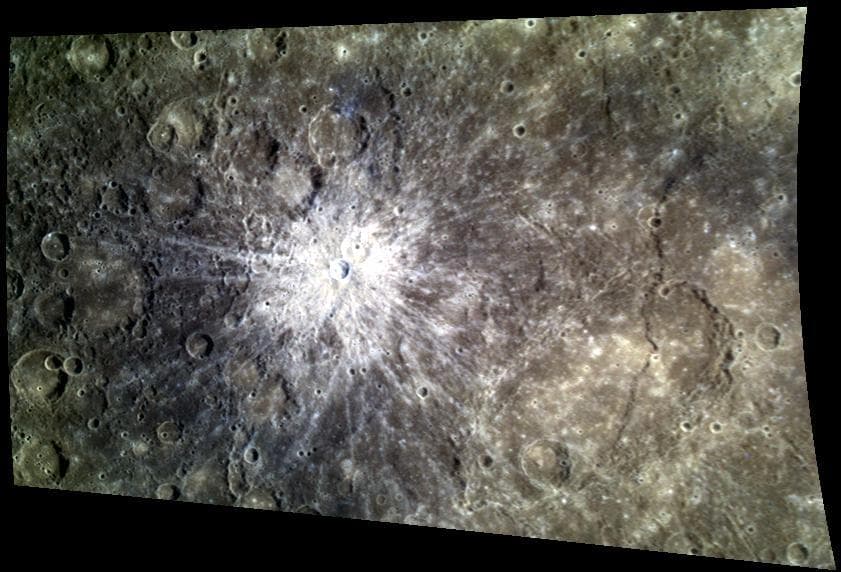
Fireworks on Mercury!
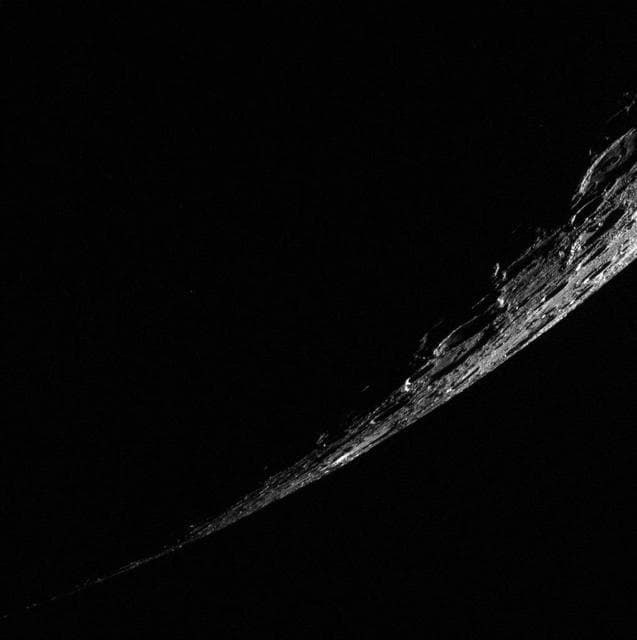
Crescent Mercury
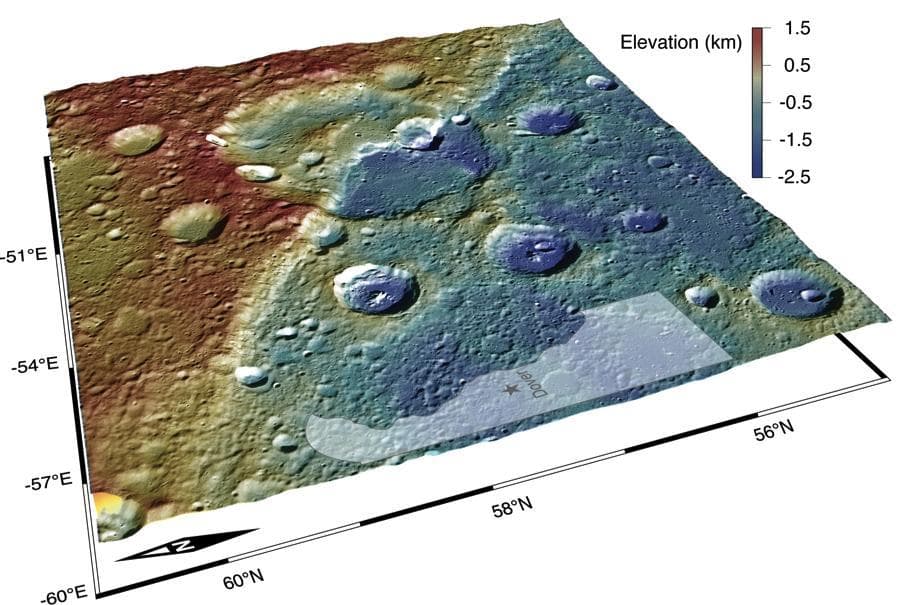
Breaking Mercury