01 Pick your destination
Solar Exploration
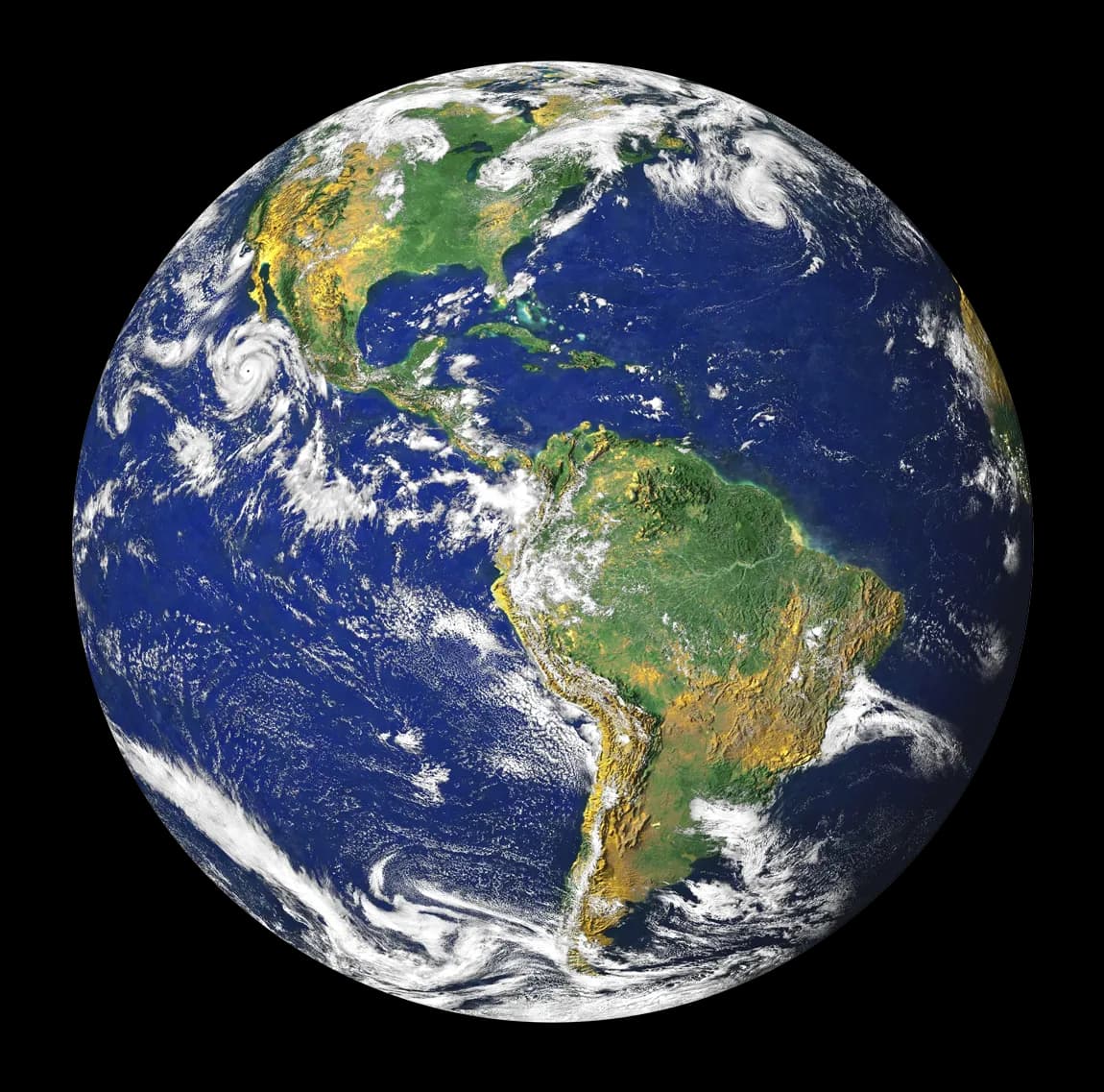
Earth
Our fragile home
Avg. Distance
Year Length
Moons
Composition
Rocky, with an iron-nickel core, silicate mantle and crust
Surface Gravity
9.81 m/s²
Mean Temperature
~15°C (average)
Atmosphere
Nitrogen (78%) and oxygen (21%)
About Earth
Overview & Geology
Earth is, as far as we know, the only place in the universe where life exists — a fact made possible by a rare combination of circumstances: liquid water covering most of the surface, a magnetic field that shields the atmosphere from solar wind, and an orbit sitting squarely in the Sun's habitable zone. Roughly 71% of the surface is ocean, giving Earth its recognizable blue appearance from space.
Earth's single large Moon is unusually massive relative to its parent planet compared to other moon-planet pairs in the solar system, and it plays an outsized role in Earth's habitability — stabilizing the planet's axial tilt over millions of years, which in turn keeps the climate relatively stable enough for complex life to evolve.
Earth's atmosphere is a thin, life-sustaining layer of mostly nitrogen and oxygen, held in place by gravity and protected from being stripped away by the solar wind thanks to a magnetic field generated deep within the planet's molten iron core. Geologically, Earth is the only planet in the solar system known to have active plate tectonics — its crust is broken into moving plates that recycle rock, build mountain ranges, and drive the carbon cycle that helps regulate long-term climate.
Historical Missions
Exploration Milestones
Earth is, naturally, the best-studied planet by an enormous margin, monitored continuously by thousands of satellites tracking weather, climate, ice sheets and vegetation. It's also humanity's launch pad for everything else in this catalogue — every spacecraft that has ever visited another world first had to escape Earth's gravity well.
Apollo 11
1969The first crewed mission to land humans on another world, launching from Earth and putting Neil Armstrong and Buzz Aldrin on the Moon.
International Space Station
1998A continuously inhabited orbital laboratory circling Earth roughly every 90 minutes, hosting crews from multiple space agencies since the year 2000.
NASA Gallery
Real Mission Photos
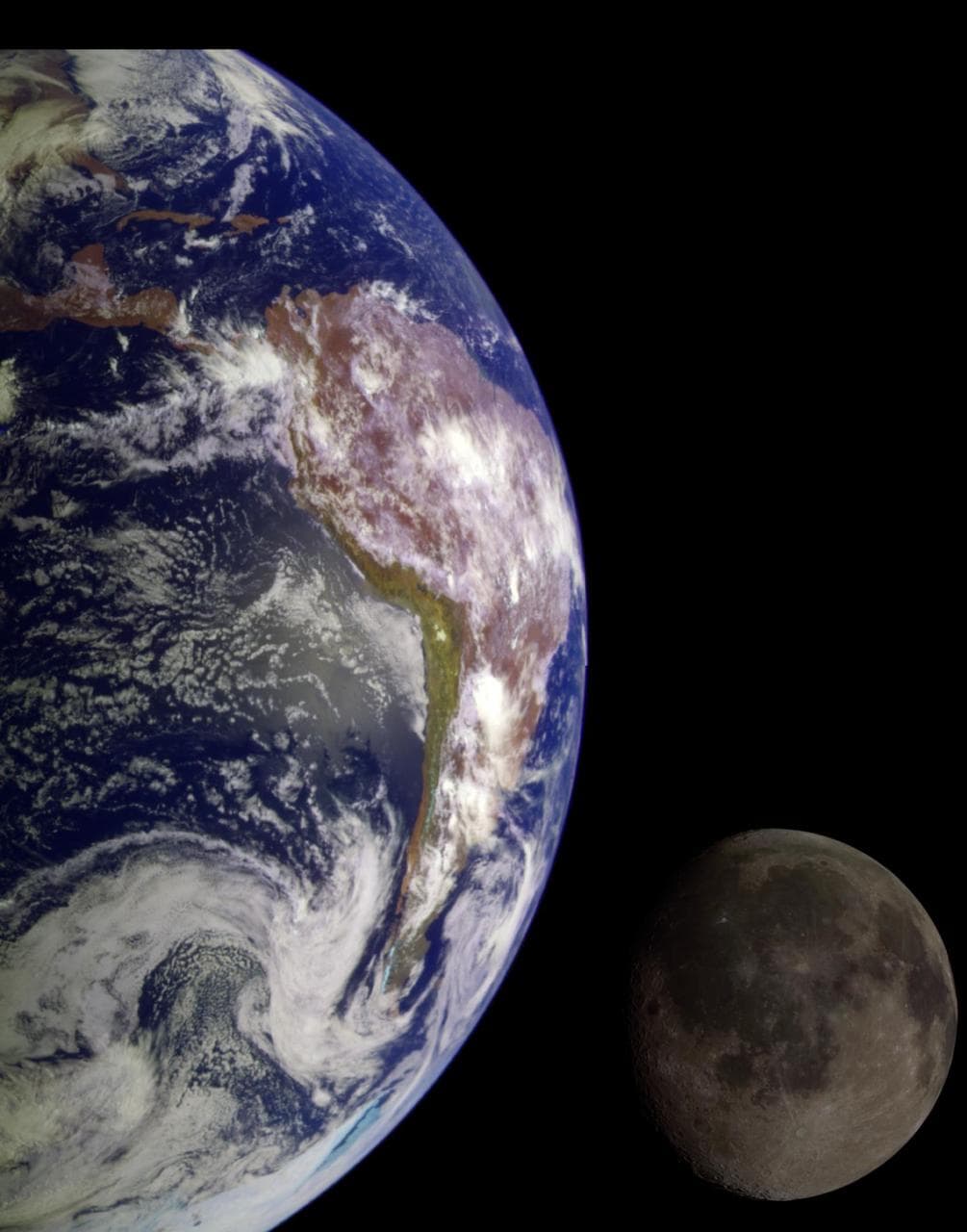
The Earth & Moon
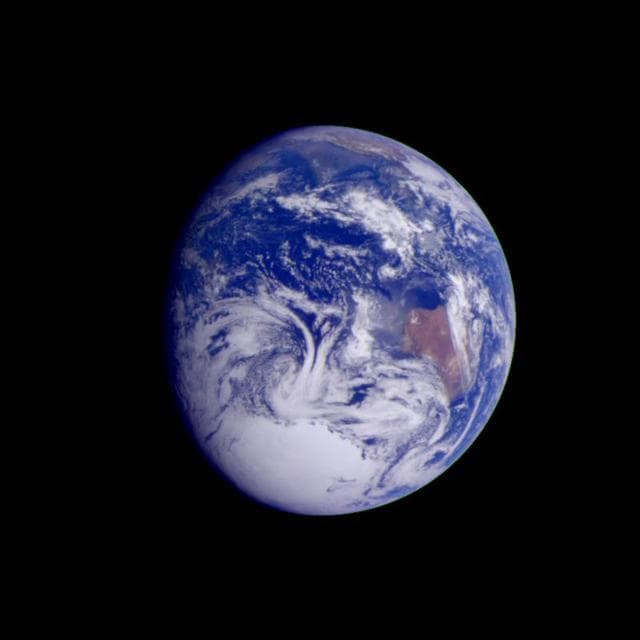
Earth - India and Australia
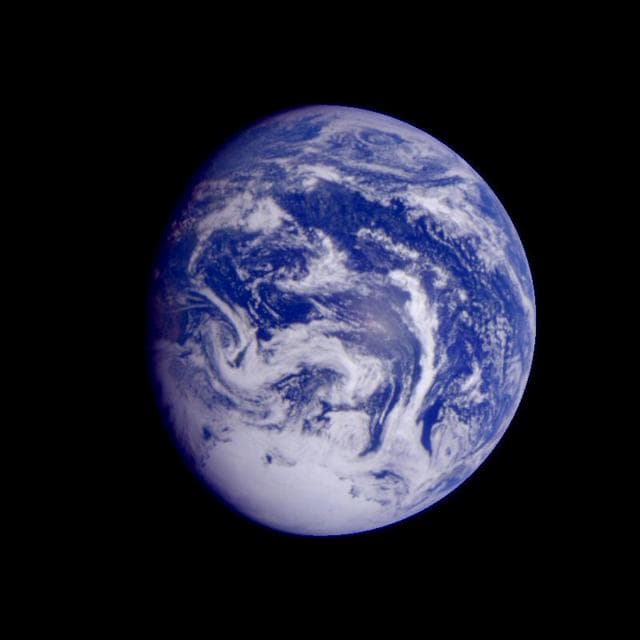
Earth - Pacific Ocean
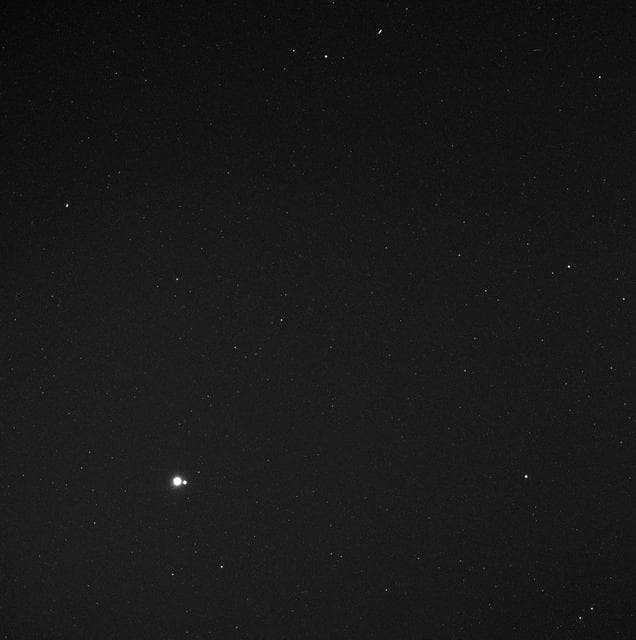
Earth and Moon from 114 Million Miles
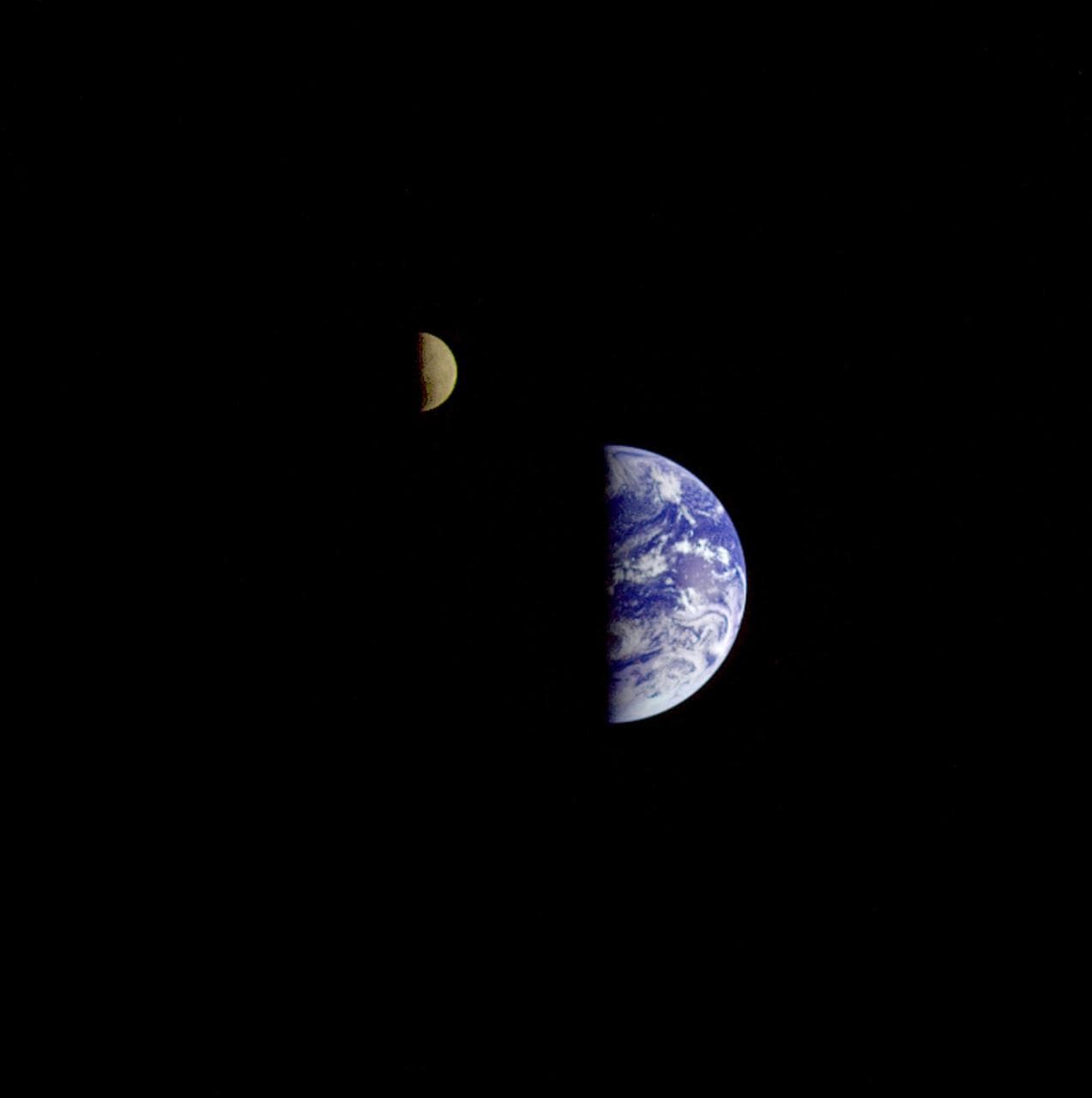
Earth - Moon Conjunction
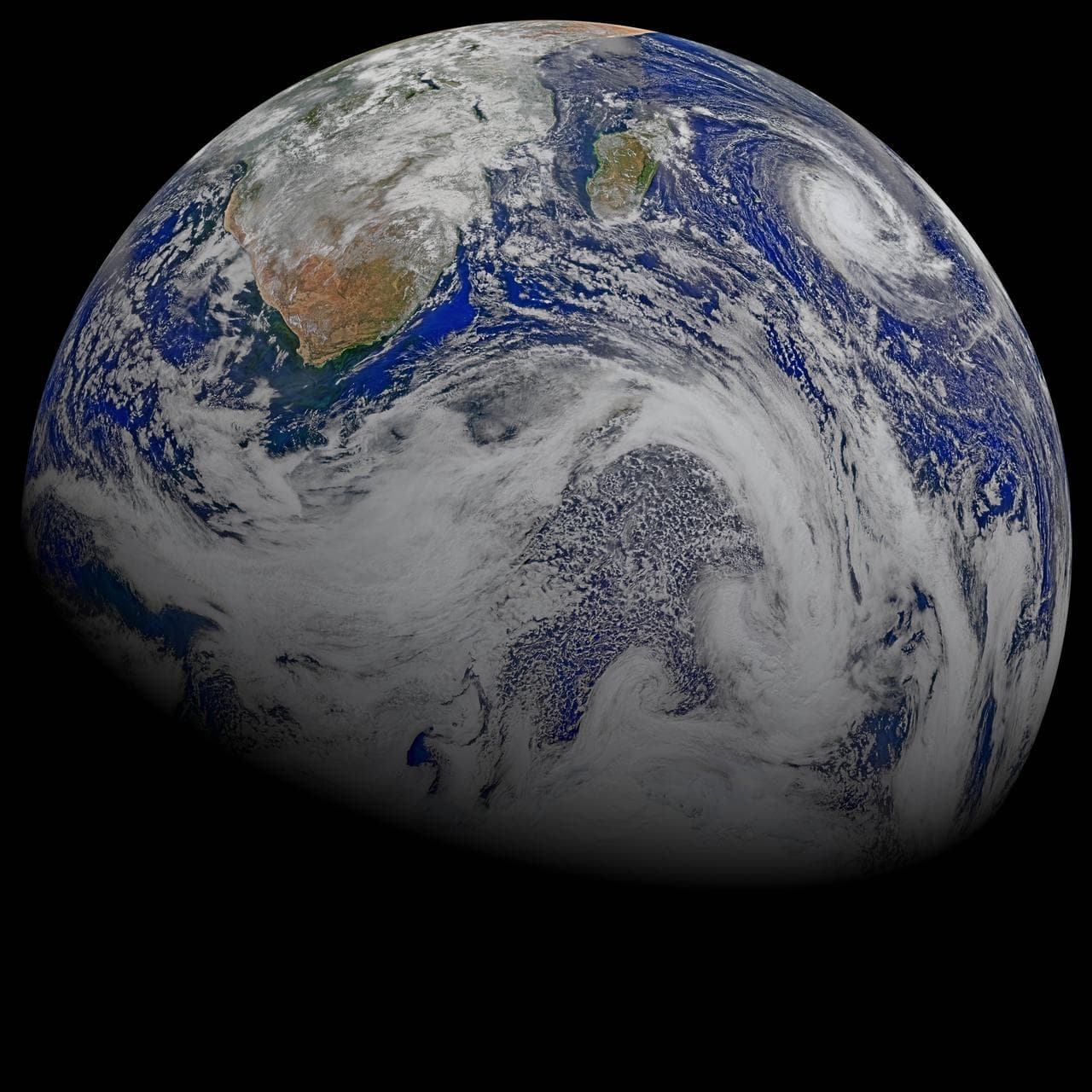
A Sky View of Earth From Suomi NPP
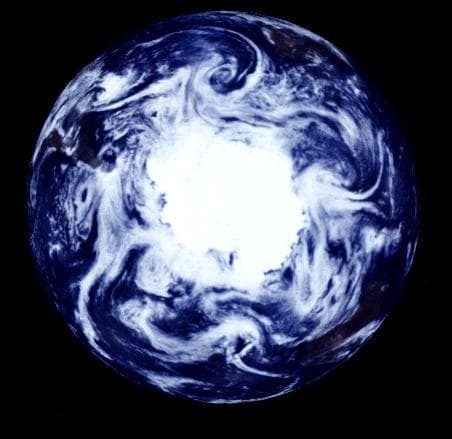
South Polar Projection of Earth