NASA’s ESCAPADE Snaps Family Portrait of Earth, Moon
Quick Summary
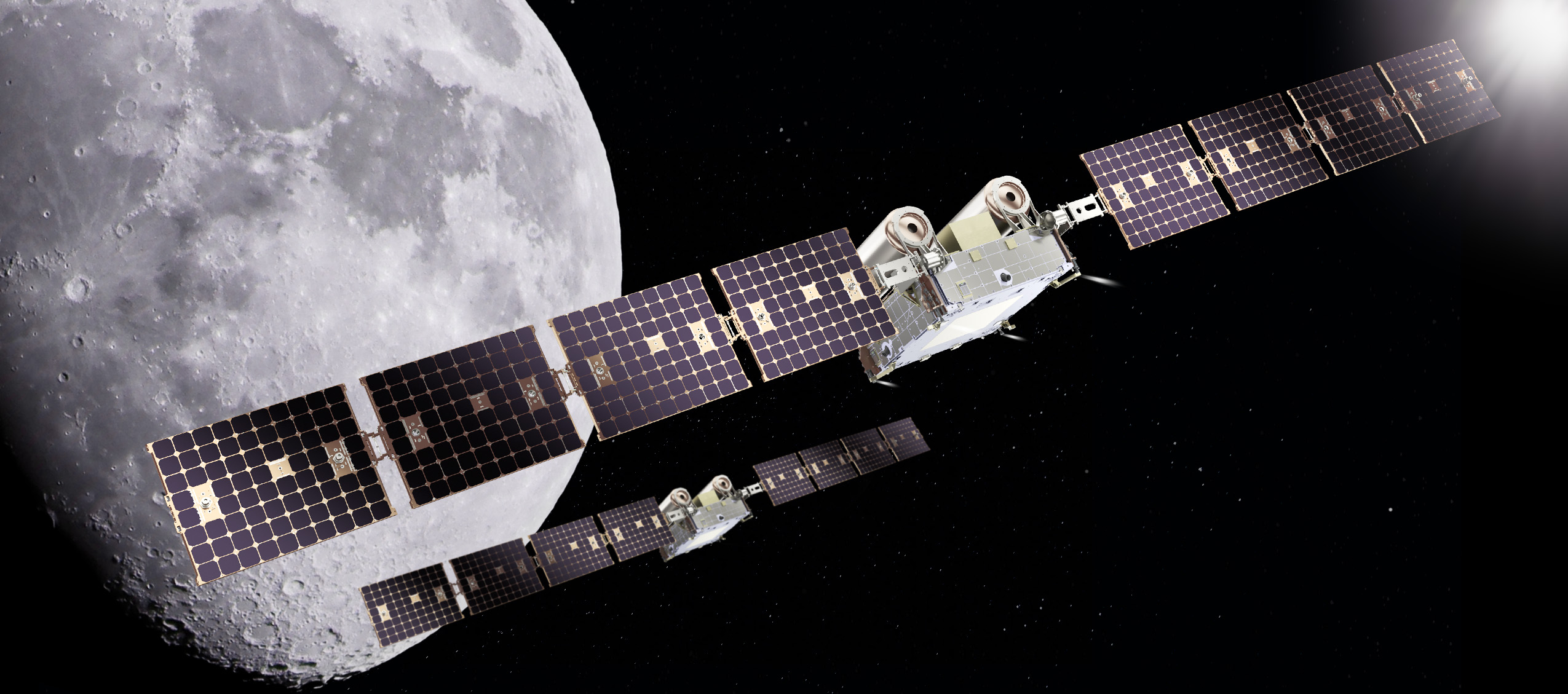
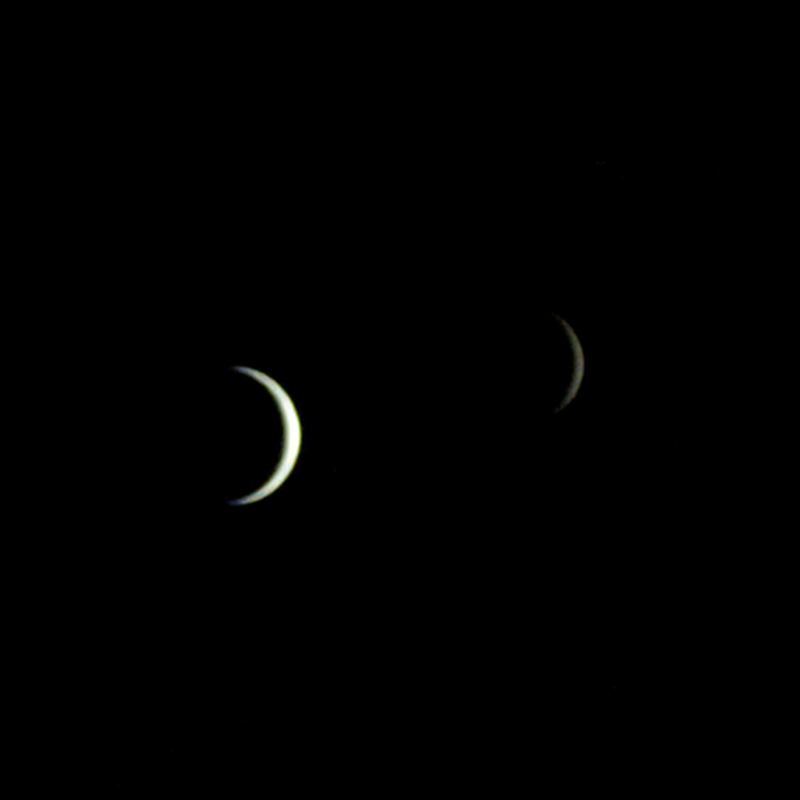
On July 3, one of NASA’s two Mars-destined ESCAPADE (Escape and Plasma Acceleration and Dynamics Explorers) spacecraft captured photos of Earth and the Moon in visible and thermal infrared light. At the time, the spacecraft was 363,250 miles (584,600 kilometers) from Earth and 115,600 miles (186,100 kilometers) from the Moon, making the Moon appear relatively […]
Space Explainer: Why Mars Matters
Mars is the most extensively explored planet after Earth, and the leading candidate in the search for past microbial life, because orbiters and rovers have found clear evidence it once had rivers, lakes, and possibly an ocean billions of years ago. Today its atmosphere is too thin — under 1% of Earth's pressure — for liquid water to survive on the surface.
Current missions like Perseverance are caching rock samples for an eventual return to Earth, while orbiters continue mapping subsurface ice that could one day support a crewed mission. Mars remains a brutal destination for spacecraft: roughly half of all Mars missions ever attempted have failed during launch, cruise, or landing.
Explore MarsSource: NASA
Read full story at NASA