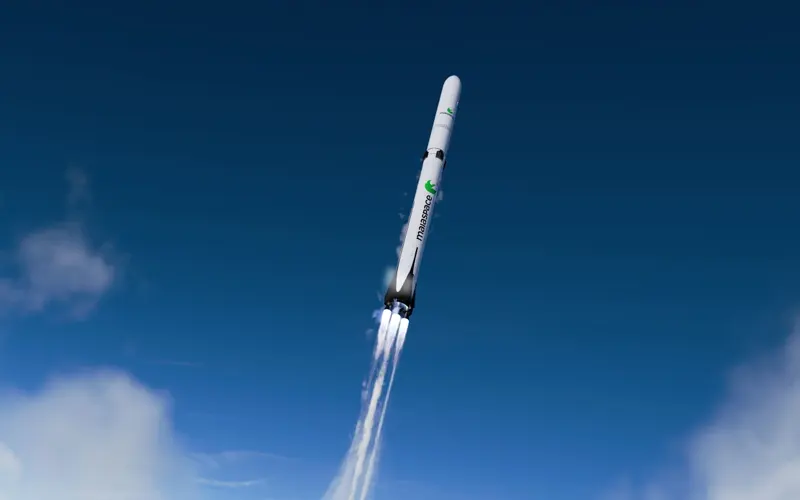
MaiaSpace Ditches Suborbital Test Flight Plans
Quick Summary
MaiaSpace has scrapped plans to conduct a suborbital test flight of its Maia rocket, opting instead to proceed straight to a full orbital launch attempt for the vehicle’s inaugural flight in the second half of 2027. Under its initial development roadmap, the ArianeGroup subsidiary would have flown a full two-stage Maia vehicle with a reduced […] The post MaiaSpace Ditches Suborbital Test Flight Plans appeared first on European Spaceflight.
Space Explainer: How Orbital Launches Work
Getting to orbit isn't just about going up — a rocket has to accelerate sideways to roughly 28,000 km/h to avoid falling back down, which is why launches burn most of their fuel gaining horizontal speed rather than altitude. Multi-stage rockets shed empty fuel tanks and engines as they climb, since carrying dead weight into orbit wastes enormous amounts of propellant.
Launch dates slip constantly, and it's rarely the rocket's fault: upper-level wind shear, lightning risk, ships or aircraft straying into the safety zone downrange, and last-minute technical holds during the countdown are all common causes. A 'static fire' — briefly igniting the engines while the rocket stays clamped to the pad — is a standard pre-launch test to catch problems before committing to flight.
View Upcoming LaunchesSource: European Spaceflight
Read full story at European Spaceflight