Students Take on Airborne Field Research with NASA
Quick Summary
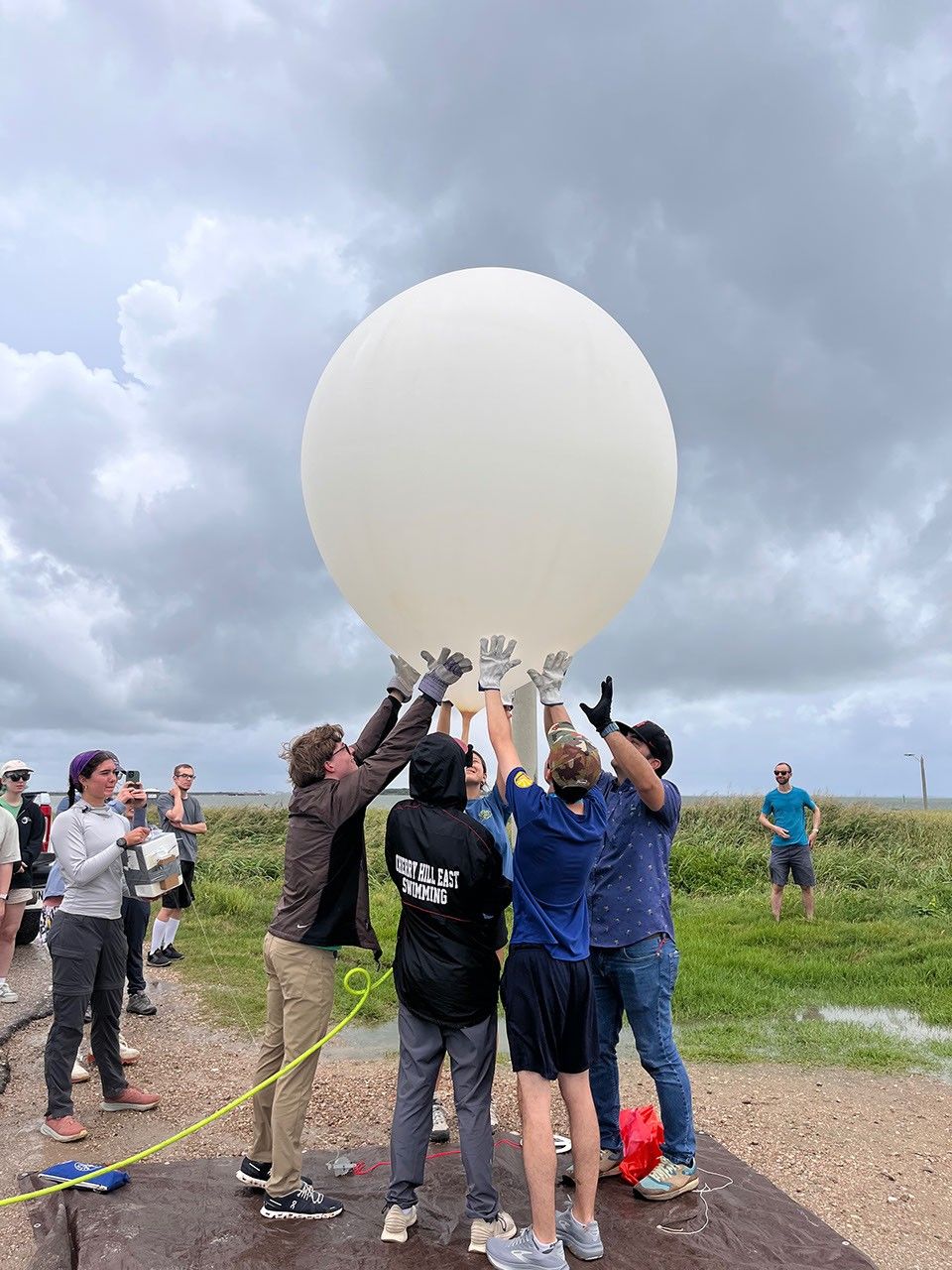
The gusty wind didn’t make it easy to hold tight to a balloon so large. The balloon, a scientific instrument called an ozonesonde, was about to be released into the atmosphere above the Texas Gulf Coast by students from NASA’s SARP (Student Airborne Research Program), which concluded its summer session July 27. The balloon’s job […]
Space Explainer: Mapping Our Solar System
Our solar system contains eight planets, five recognized dwarf planets including Pluto, and well over 200 moons, along with countless asteroids and comets left over from its formation roughly 4.6 billion years ago. Every world in it formed from the same swirling disk of gas and dust around the young Sun, which is why terrestrial planets cluster near the Sun and gas giants dominate the outer solar system.
Spacecraft have now visited every planet at least once, but exploration remains wildly uneven — Mars and the Moon have been mapped in exhaustive detail, while Uranus and Neptune have each been seen up close for only a few days total, during single flybys decades ago.
Explore the Solar SystemSource: NASA
Read full story at NASA

